Every Sip Counts: How Regular Alcohol Consumption Quietly Undermines Your Blood's Oxygen-Carrying Power
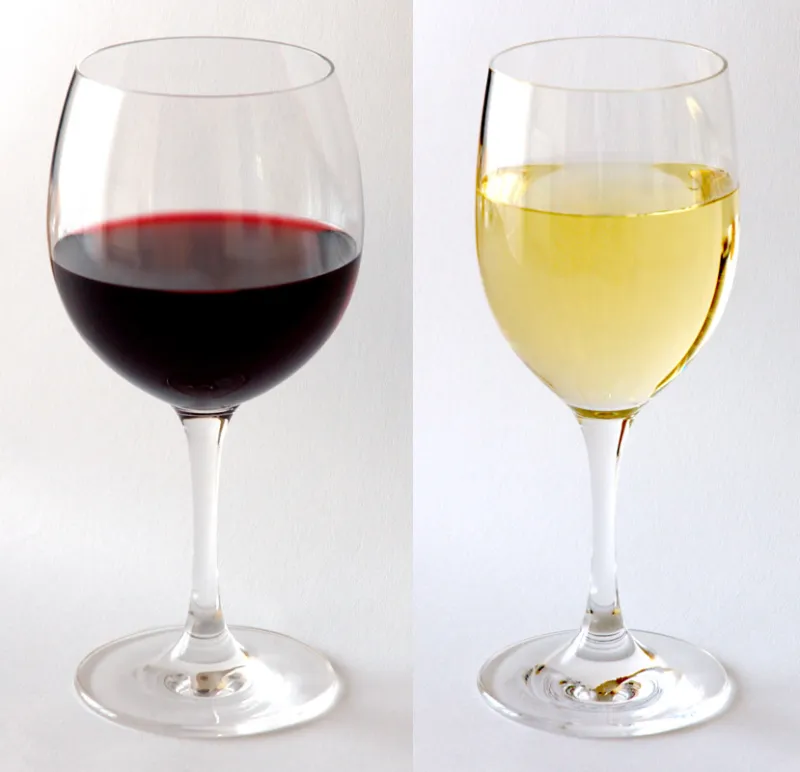
Photo: André Karwath, CC BY-SA 2.5, via Wikimedia Commons
For decades, the American dinner table has welcomed the idea that a glass of red wine is not merely a pleasure but a prescription. Cardiologists cited polyphenols. Epidemiologists pointed to Mediterranean populations. And so the nightly pour became, for many health-conscious individuals, a ritual cloaked in scientific legitimacy.
But the science has grown considerably more nuanced—and considerably less forgiving—than that simplified headline ever suggested. When researchers shift their focus from broad cardiovascular associations to the specific machinery of blood health, a different picture emerges. One that implicates alcohol not as a benign companion to wellness, but as a subtle and persistent disruptor of the very system responsible for keeping every cell in your body adequately oxygenated.
The Hemoglobin Connection Most Drinkers Never Consider
Hemoglobin is the protein housed within red blood cells that binds to oxygen in the lungs and transports it to tissues throughout the body. Its function is elegant, efficient, and remarkably sensitive to chemical interference. Alcohol, even in moderate and consistent quantities, introduces a cascade of biochemical disruptions that compromise this system at multiple levels.
First, alcohol metabolism generates acetaldehyde, a reactive compound that can bind directly to hemoglobin molecules. This binding—known as acetaldehyde adduct formation—alters the protein's three-dimensional structure, reducing its affinity for oxygen and impairing its ability to release that oxygen efficiently at the tissue level. The result is not dramatic collapse; it is a quiet, cumulative degradation of performance that most people never attribute to their drinking habits.
Second, chronic alcohol exposure interferes with the synthesis of heme, the iron-containing component at the core of hemoglobin. Alcohol disrupts the enzymatic pathways responsible for heme production, meaning that even individuals consuming adequate dietary iron may find their bodies unable to fully utilize it. This creates a functional anemia—not from iron deficiency per se, but from impaired biochemical assembly—that manifests as fatigue, reduced endurance, and diminished cognitive clarity.
Red Blood Cell Lifespan: A Shortened Clock
Healthy red blood cells circulate for approximately 100 to 120 days before being recycled by the spleen. During that time, they are expected to complete millions of oxygen-delivery cycles without structural failure. Alcohol shortens this operational window in ways that are both direct and indirect.
Directly, ethanol and its metabolites increase oxidative stress within red blood cells, accelerating membrane lipid peroxidation. The cell membrane becomes more rigid and fragile, making red blood cells more susceptible to premature destruction—a process called hemolysis. Studies have demonstrated that individuals who consume alcohol regularly exhibit measurably higher rates of red blood cell turnover compared to non-drinkers, placing additional demand on bone marrow to compensate.
Indirectly, alcohol impairs the absorption and utilization of folate and vitamin B12, two nutrients that are absolutely critical to red blood cell production. Without adequate folate, red blood cells develop abnormally large and structurally compromised—a condition known as megaloblastic anemia. These oversized, dysfunctional cells carry oxygen poorly and are cleared from circulation faster than their healthy counterparts. For the American drinker who prides themselves on a balanced diet, it is worth noting that even moderate alcohol consumption can deplete folate reserves faster than dietary intake can replenish them.
Viscosity, Flow, and the Delivery Problem
Oxygen delivery is not solely a function of how much hemoglobin you have or how well it binds to oxygen. It is equally dependent on how efficiently your blood flows through the circulatory network. Here, too, alcohol introduces complications that are frequently overlooked.
At first glance, alcohol appears to thin the blood—and in the very short term, this is partially true. Acute alcohol consumption reduces platelet aggregation and temporarily lowers blood viscosity. This is part of the basis for the heart-health narrative. However, the picture changes significantly with habitual use.
Chronic alcohol consumption promotes inflammation within the vascular endothelium, contributing to the kind of low-grade systemic inflammation that actually increases blood viscosity over time. Dehydration—a near-universal consequence of regular alcohol intake, given alcohol's diuretic properties—further concentrates the blood, raising hematocrit levels and making flow through smaller capillaries more laborious. At the capillary level, where oxygen is ultimately exchanged with surrounding tissues, this increased resistance translates directly into reduced delivery efficiency.
The irony is notable: the same beverage marketed as a circulatory ally may, through the mechanism of chronic dehydration and vascular inflammation, be quietly impeding the very microcirculatory function it was supposed to support.
What Your Cells Are Actually Experiencing
Consider what a tissue cell encounters when blood health is compromised by regular alcohol consumption. It receives red blood cells that are structurally older than their chronological age, carrying hemoglobin that has been chemically altered by acetaldehyde, arriving via blood that is marginally more viscous and flowing through vessels experiencing low-grade inflammatory stress. The oxygen delivered at the end of this journey is measurably less than what an uncompromised system would provide.
For most people, this deficit does not register as a dramatic symptom. It presents instead as the kind of vague, chronic underperformance that Americans have come to accept as normal aging: persistent tiredness, reduced exercise tolerance, difficulty sustaining mental focus, and a general sense of operating below capacity. These experiences are often attributed to stress, poor sleep, or simply getting older. Rarely are they connected to the glass of wine consumed every evening for the past five years.
Rethinking the Ritual
None of this is to suggest that a single drink will collapse your circulatory function or that the research on polyphenols is entirely without merit. The science of alcohol and health is genuinely complex, and context matters enormously. What the evidence does suggest, however, is that the comfortable narrative of the health-neutral or health-positive nightly drink deserves serious scrutiny—particularly for individuals who are experiencing the kinds of low-energy, low-performance symptoms that may have a circulatory explanation.
For those committed to optimizing their blood's capacity to fuel every organ, tissue, and cell they possess, the question is not whether alcohol is poison. The question is whether the cumulative biochemical cost—to hemoglobin integrity, to red blood cell longevity, to vascular flow dynamics—is one they are willing to pay in exchange for the ritual they have come to value.
Supporting your blood's oxygen-delivery infrastructure requires attention to the full range of factors that influence it. Hydration, B-vitamin status, oxidative stress burden, and vascular inflammation all play roles that extend well beyond any single dietary choice. But understanding how regular alcohol consumption fits into that broader picture is an essential step toward making choices that genuinely serve your vitality—rather than merely feeling like they do.