Collateral Damage in the Bloodstream: What Broad-Spectrum Antibiotics Are Doing to Your Vascular Resilience
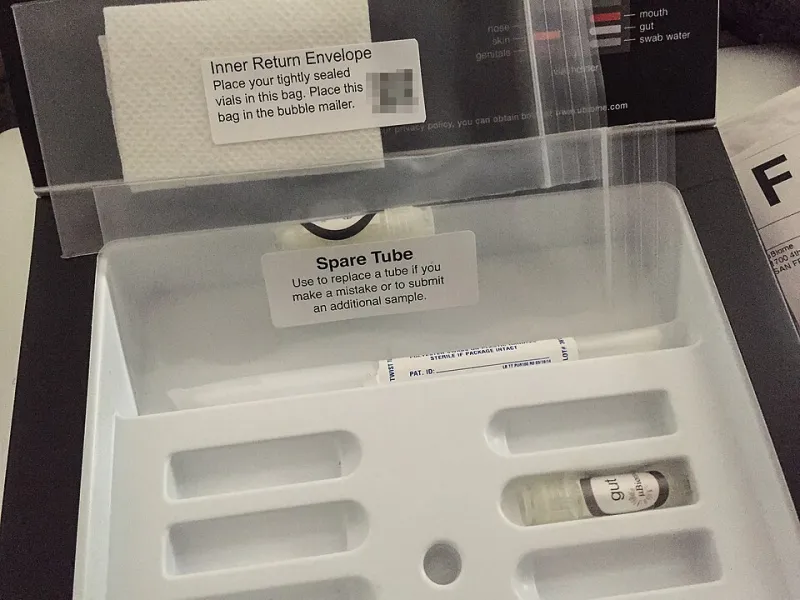
Photo: Tony Webster from San Francisco, California, CC BY 2.0, via Wikimedia Commons
There is a particular comfort in the idea that antibiotics are straightforward medicine. You develop an infection. A physician prescribes a course of treatment. The bacteria are eliminated. You recover. The story, as most Americans understand it, ends there.
But inside your body, a far more complicated narrative is unfolding — one that does not conclude when the prescription bottle empties. Broad-spectrum antibiotics, among the most widely prescribed medications in the United States, are increasingly understood to carry a form of collateral damage that extends well beyond their intended target. That damage reaches your blood vessels, your immune architecture, and the delicate microbial communities whose health is, as science now recognizes, inseparable from your own.
This is not an argument against antibiotics. When bacterial infections threaten life or limb, these medications remain indispensable. What it is, however, is a case for understanding the full biological cost of their use — and for recognizing that your circulatory system bears more of that cost than most physicians discuss.
The Microbiome as a Vascular Organ
For decades, the gut microbiome was studied primarily in the context of digestion. That framing has since been overturned. The trillions of microorganisms inhabiting the human gastrointestinal tract now represent one of the most intensively studied systems in contemporary medicine, and their influence extends to nearly every organ in the body — including the heart and blood vessels.
The gut microbiome produces short-chain fatty acids, regulates systemic inflammation, modulates nitric oxide availability, and directly influences the integrity of the endothelial lining that forms the inner wall of every blood vessel you possess. When that microbial ecosystem is functioning well, it acts as a kind of biological anchor for vascular health. When it is disrupted — a condition known as dysbiosis — the downstream effects on circulation are measurable and significant.
Broad-spectrum antibiotics are among the most powerful disruptors of this ecosystem that modern medicine routinely deploys.
What Dysbiosis Does to Your Vessels
Antibiotic-induced dysbiosis does not produce symptoms that most people would associate with blood vessel damage. There is no chest tightening, no visible bruising, no obvious sign that something has shifted in the circulatory system. The damage, where it occurs, is biochemical and gradual.
Research published in recent years has illuminated several pathways through which microbiome disruption compromises vascular health. First, the loss of beneficial bacterial populations reduces the production of short-chain fatty acids — particularly butyrate — that help maintain the integrity of the gut barrier. When that barrier becomes permeable, bacterial endotoxins known as lipopolysaccharides can enter the bloodstream. Once circulating, these compounds trigger systemic inflammatory responses that place sustained stress on endothelial cells, the specialized layer of tissue that lines blood vessels and governs their function.
Second, dysbiosis alters the microbial metabolism of dietary nitrates and other compounds that the body converts into nitric oxide — the molecule responsible for signaling blood vessel relaxation and maintaining healthy blood pressure. A compromised microbiome is a less efficient nitric oxide contributor, and the vascular consequences of diminished nitric oxide availability are well-documented in the scientific literature.
Third, the immune dysregulation that follows antibiotic-induced dysbiosis creates a state of low-grade systemic inflammation that researchers increasingly associate with accelerated vascular aging. The blood vessels do not simply weather this inflammation without consequence; over time, endothelial function declines, arterial stiffness increases, and the circulatory system loses the flexibility that characterizes genuine vascular health.
The Overuse Problem in American Healthcare
The United States has a well-documented relationship with antibiotic overuse. The Centers for Disease Control and Prevention has estimated that a significant proportion of antibiotic prescriptions written in outpatient settings are either unnecessary or inappropriate — prescribed for viral infections against which they have no effect, or selected at a broader spectrum than the infection requires.
This overuse matters for the microbiome in a way that individual, appropriately prescribed courses of antibiotics may not. Repeated exposure to broad-spectrum agents has a cumulative effect on microbial diversity. Studies examining the gut microbiomes of individuals with high lifetime antibiotic exposure consistently show reduced diversity and diminished populations of the beneficial species most closely associated with vascular protection.
For the average American adult who has received multiple courses of antibiotics across a lifetime — for childhood ear infections, adult respiratory illnesses, dental procedures, and beyond — this cumulative burden is not theoretical. It is biological reality.
Recovery Is Possible, But Rarely Automatic
The microbiome possesses a degree of resilience. In many individuals, microbial populations begin to recover within weeks of completing an antibiotic course. However, the research is clear that this recovery is rarely complete, particularly following broad-spectrum treatment or repeated exposure. Certain beneficial species, once eliminated, may not return to their prior abundance without deliberate intervention.
This is where the framework for protecting blood vessel health following antibiotic use becomes practically relevant. Fermented foods — yogurt, kefir, kimchi, sauerkraut — introduce live microbial cultures that can help repopulate a disrupted gut environment. Prebiotic-rich foods, including garlic, onions, leeks, and whole grains, provide the dietary fiber that beneficial bacteria require to thrive. These are not exotic interventions. They are accessible, evidence-supported strategies for supporting microbial recovery.
For individuals who have undergone intensive antibiotic treatment or who carry a high lifetime antibiotic burden, targeted probiotic supplementation may offer additional support. The evidence base for specific probiotic strains continues to develop, and consulting a healthcare provider about appropriate options remains advisable.
Asking the Right Question Before You Fill the Prescription
None of the above science argues for refusing antibiotics when they are genuinely necessary. Bacterial infections that go untreated carry their own serious vascular consequences — sepsis, endocarditis, and other systemic infections can devastate circulatory health in ways that dwarf any microbiome disruption. The calculus, when infection is confirmed and appropriate, is not difficult.
What this science does argue for is a more informed conversation between patients and physicians before broad-spectrum antibiotics are prescribed. Relevant questions include whether the infection is bacterial or viral in origin, whether a narrower-spectrum antibiotic might address the specific pathogen involved, and whether watchful waiting is a clinically appropriate option in less severe presentations.
These are not adversarial questions. They are the questions of a patient who understands that the body's internal ecosystems — including those that protect the blood vessels — are worth preserving wherever possible.
Protecting What Antibiotics Cannot See
The bacteria that antibiotics target are visible to medicine in the sense that they can be cultured, identified, and eliminated. The microbial communities that antibiotics inadvertently damage are less visible — less likely to appear on a diagnostic report, less likely to prompt a follow-up appointment, and far less likely to be discussed at the point of prescription.
Yet those communities are, as the emerging science makes increasingly plain, among the most consequential factors in long-term vascular health. They influence inflammation. They shape nitric oxide metabolism. They govern the integrity of the barrier between the gut and the bloodstream. They are, in a meaningful biological sense, part of the circulatory system's support infrastructure.
Understanding antibiotics as tools with both a target and a cost — and making choices accordingly — is not skepticism of modern medicine. It is the kind of informed engagement that genuine blood health requires.