The Forgotten Frontier of Blood Health: What Your Vessel Walls Are Trying to Tell You
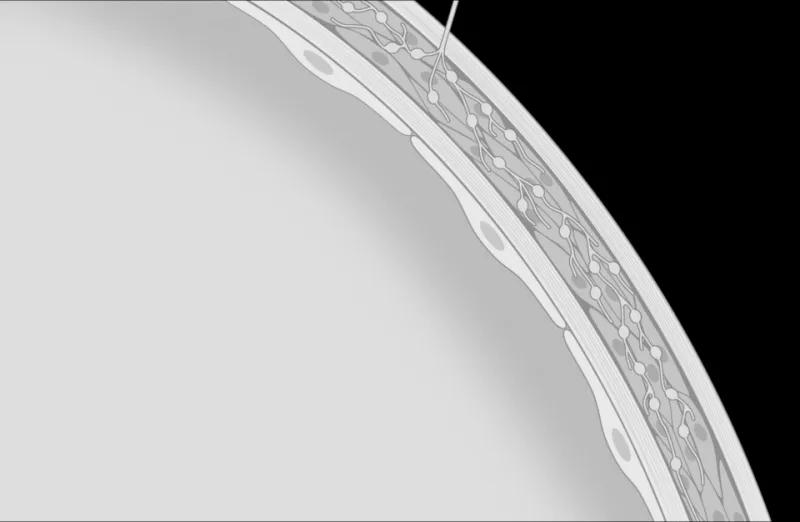
Photo: Courtesy of NIAID Ryan Kissinger, Public domain, via Wikimedia Commons
Most conversations about blood health gravitate toward familiar territory—iron counts, hemoglobin levels, red blood cell production. These are legitimate concerns, and they deserve attention. But there is an entire dimension of circulatory health that rarely earns a mention at the dinner table or during an annual checkup: the endothelium.
This single-cell-thick layer lining the interior of every blood vessel in your body is not passive tissue. It is a living, biochemically active organ in its own right—one that regulates blood flow, controls inflammation, manages clotting responses, and facilitates the transfer of oxygen and nutrients to surrounding tissues. When it functions well, you feel it in your energy, your mental clarity, and your physical resilience. When it does not, the effects are diffuse enough to be mistaken for ordinary fatigue or aging.
For those invested in true blood vitality, the endothelium is not a footnote. It is the headline.
What the Endothelium Actually Does
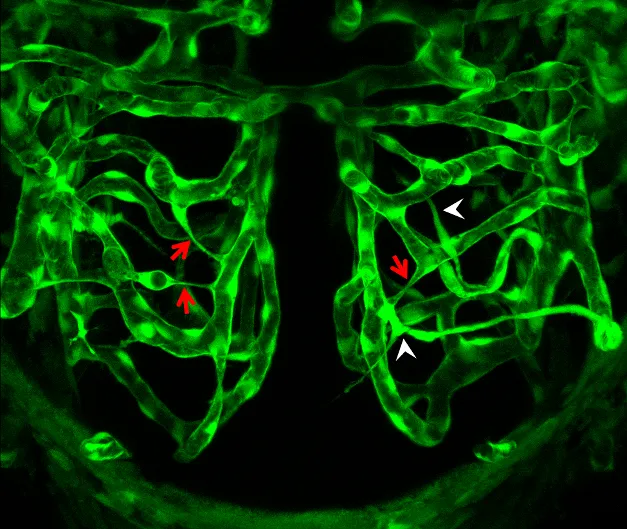
The endothelium spans an estimated 60,000 miles of blood vessels throughout the human body—from the large arteries near the heart to the finest capillaries threading through muscle tissue and organs. Its primary currency is a molecule called nitric oxide (NO), produced by endothelial cells in response to blood flow, exercise, and certain dietary compounds.
Nitric oxide instructs the smooth muscle surrounding blood vessels to relax, allowing the vessel to widen—a process called vasodilation. This widening increases blood flow, lowers blood pressure, and ensures that oxygen-rich blood reaches tissues efficiently. Without adequate nitric oxide production, vessels remain constricted, circulation slows, and the entire downstream ecosystem of nutrient delivery suffers.
Beyond vasodilation, endothelial cells regulate the adhesion of white blood cells to vessel walls, modulate the coagulation cascade to prevent inappropriate clotting, and act as gatekeepers for what crosses from the bloodstream into surrounding tissue. In short, the endothelium is the circulatory system's traffic control center.
How Endothelial Dysfunction Develops
Endothelial dysfunction refers to a state in which these cells lose their capacity to perform their regulatory duties effectively. It is not a dramatic event. It accumulates quietly, driven by a cluster of modern lifestyle factors that are, unfortunately, quite common in the United States.
Chronic inflammation is among the most significant contributors. When inflammatory signals persist in the bloodstream—triggered by processed food diets, sedentary behavior, poor sleep, or unmanaged stress—endothelial cells respond by upregulating adhesion molecules that attract immune cells to the vessel wall. Over time, this creates a hostile microenvironment that impairs nitric oxide synthesis and promotes arterial stiffness.
Oxidative stress compounds the problem. Free radicals generated by metabolic processes, environmental toxins, or excessive caloric intake can directly damage endothelial cells and degrade nitric oxide before it can perform its vasodilatory function. The result is a vessel that cannot respond appropriately to the body's demands.
Elevated blood glucose is another major disruptor. High circulating glucose triggers a process called glycation, in which sugar molecules attach to proteins and lipids within the vessel wall, stiffening the endothelium and impairing its signaling capacity. This is one reason cardiovascular complications are so strongly associated with metabolic disorders.
Sedentary behavior matters more than many people realize. Physical movement generates shear stress—the mechanical force of blood flowing against vessel walls—which is one of the primary stimuli for nitric oxide production. A lifestyle that minimizes movement also minimizes this essential signal, leaving endothelial cells understimulated and sluggish.
The Symptoms You May Already Be Experiencing
Endothelial dysfunction rarely announces itself with a single dramatic symptom. Instead, it tends to manifest as a constellation of complaints that are easy to dismiss individually but telling when viewed together.
Persistent fatigue that does not resolve with adequate sleep is frequently linked to impaired oxygen delivery at the tissue level—a direct consequence of reduced blood flow. Cognitive sluggishness, difficulty concentrating, and a sense of mental fog can follow when cerebral circulation is compromised. Cold extremities, particularly in the hands and feet, often reflect peripheral vasoconstriction that results from insufficient nitric oxide activity.
Reduced exercise tolerance—the sense that physical effort feels harder than it should, or that recovery takes longer—is another signal worth heeding. When blood cannot deliver oxygen and nutrients efficiently during exertion, performance suffers and post-exercise inflammation lingers longer than it should.
None of these symptoms are inevitable. They are, in many cases, responsive to deliberate intervention.
Nutritional Strategies That Support Endothelial Health
Research into endothelial function has produced a compelling body of evidence around dietary interventions. Several compounds have demonstrated meaningful effects on nitric oxide bioavailability and vessel wall integrity.
Dietary nitrates, found in abundance in beets, arugula, spinach, and other leafy greens, serve as precursors to nitric oxide through a pathway that bypasses the endothelium entirely. The bacteria present in saliva convert dietary nitrates to nitrites, which are then reduced to nitric oxide in the acidic environment of the stomach and bloodstream. For individuals with compromised endothelial function, this alternate pathway can meaningfully restore nitric oxide levels.
Flavonoids—particularly those found in dark berries, cacao, and certain teas—have been shown in multiple clinical trials to improve endothelium-dependent vasodilation. These polyphenolic compounds appear to activate endothelial nitric oxide synthase (eNOS), the enzyme responsible for nitric oxide production, while simultaneously reducing oxidative stress.
Omega-3 fatty acids, well-established for their anti-inflammatory properties, also exert direct effects on the endothelium. They reduce the expression of adhesion molecules, lower circulating inflammatory markers, and support the structural integrity of the cell membranes that compose the vessel lining.
L-arginine and L-citrulline, amino acids that serve as direct substrates for nitric oxide synthesis, have attracted growing interest in sports nutrition and cardiovascular research. While dietary arginine alone has shown inconsistent results, citrulline—which the body converts to arginine more efficiently—has demonstrated more reliable improvements in endothelial function and blood flow measures.
Lifestyle Practices That Restore Vessel Responsiveness
Nutrition is a powerful lever, but it works best in combination with behavioral changes that address the root drivers of endothelial dysfunction.
Regular aerobic exercise remains one of the most potent stimulators of endothelial nitric oxide production. Even moderate-intensity activity—brisk walking, cycling, or swimming performed consistently—increases shear stress on vessel walls and upregulates eNOS expression over time. The cardiovascular benefits of exercise are, in significant part, endothelial benefits.
Sleep quality deserves serious attention. Endothelial repair and regeneration occur predominantly during deep sleep stages. Chronic sleep deprivation has been associated with elevated inflammatory markers, reduced nitric oxide availability, and accelerated endothelial aging. Prioritizing seven to nine hours of restorative sleep is not indulgent—it is structurally necessary for vascular health.
Stress management closes the loop. Psychological stress activates the sympathetic nervous system and promotes the release of cortisol and catecholamines, both of which constrict blood vessels and promote inflammatory signaling. Practices that reliably reduce the stress response—whether meditation, structured breathing exercises, or consistent time in natural environments—translate directly into improved endothelial tone.
A Foundation Worth Building On
The endothelium sits at the intersection of nearly every major dimension of blood health. It governs how effectively your blood delivers oxygen and nutrients, how well your vessels adapt to physical demands, and how efficiently your circulatory system manages inflammation and repair. Neglecting it means accepting a ceiling on what your blood can actually do for you.
At VitaSeal Blood, the conviction driving every piece of content is straightforward: blood health is not a single variable. It is a system. And the vessel walls that contain and direct your blood are as worthy of your attention as the blood itself. Begin there, and the rest of your circulatory health has a far stronger foundation to stand on.