Sluggish Blood, Stolen Energy: The Inflammation Link You Cannot Afford to Ignore
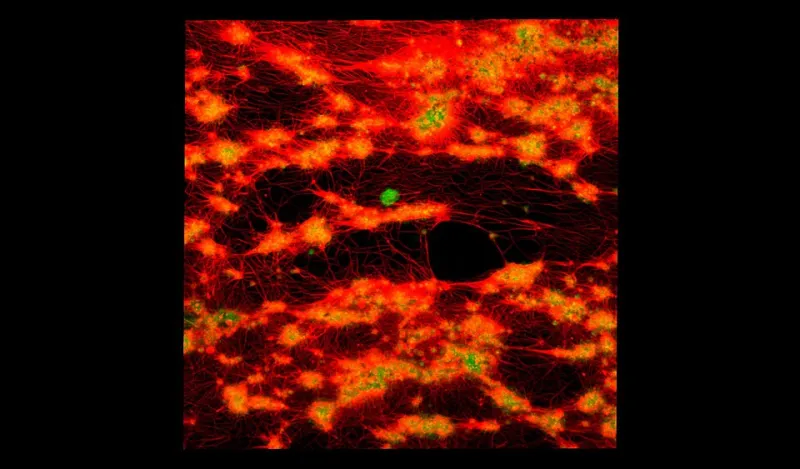
Photo: Joanne Mitchell, CC BY-SA 4.0, via Wikimedia Commons
Most Americans associate inflammation with visible, localized symptoms — a red knee after a run, a swollen lymph node during a cold. Yet a quieter, more systemic form of inflammation operates beneath the surface for millions of people, and its most underappreciated consequence has nothing to do with swelling. It has everything to do with the consistency of your blood.
Blood viscosity — the technical term for how thick or resistant to flow your blood is — is not a fixed property. It shifts in response to diet, hydration, physical activity, stress, and, critically, the inflammatory state of your body. When chronic, low-grade inflammation takes hold, it sets off a biochemical cascade that can leave your blood measurably thicker, slower, and less capable of doing its primary job: delivering oxygen and nutrients to every cell in your body.
The downstream effects of this process are not abstract. They are felt every day as unexplained exhaustion, difficulty concentrating, and a cardiovascular system working harder than it should.
What Blood Viscosity Actually Means — And Why It Matters
Think of your bloodstream as a highway system. When traffic flows freely, every destination receives timely deliveries. When congestion builds — due to accidents, roadwork, or sheer volume — delays accumulate and the entire network suffers.
Blood viscosity works on a similar principle. Healthy blood maintains a balance between its liquid component (plasma) and its cellular components (red blood cells, white blood cells, and platelets). When this balance shifts — when plasma proteins increase, when red blood cells become less flexible, or when platelets cluster more aggressively — blood becomes more resistant to flow. The heart must exert greater force to push this thickened fluid through narrow capillaries, and tissues at the periphery of circulation are often the first to experience reduced oxygen supply.
The brain, despite representing only about 2 percent of body weight, consumes roughly 20 percent of the body's oxygen. When blood flow to cerebral tissue is even modestly compromised, cognitive clarity suffers. This is one reason brain fog is so frequently reported alongside other markers of poor blood health — it is not a psychological phenomenon but a physiological one.
How Inflammation Thickens the Blood
The relationship between inflammation and blood viscosity is well-documented in the scientific literature, though it rarely reaches mainstream health conversations.
During an inflammatory response, the liver produces a class of proteins called acute-phase reactants. The most widely measured among these is C-reactive protein (CRP), but fibrinogen is equally important in this context. Fibrinogen is a clotting protein whose plasma concentrations rise significantly during inflammatory episodes. Elevated fibrinogen directly increases blood viscosity by altering plasma protein composition and promoting red blood cell aggregation — a process in which red blood cells stack together like coins, reducing their surface area and impairing oxygen exchange.
Beyond fibrinogen, inflammation also affects the deformability of red blood cells. Healthy red blood cells are remarkably elastic, capable of squeezing through capillaries narrower than their own diameter. Oxidative stress — a hallmark of chronic inflammation — stiffens the cellular membrane of red blood cells, reducing this flexibility and further contributing to sluggish microcirculation.
The result is a self-reinforcing cycle: inflammation thickens the blood, thickened blood reduces oxygen delivery, and oxygen-deprived tissues generate additional inflammatory signals.
Common Lifestyle Triggers That Compound the Problem
Understanding the biology is only half the picture. Identifying the daily behaviors and dietary patterns that sustain chronic inflammation — and therefore elevate blood viscosity — is where meaningful intervention becomes possible.
Excess dietary refined carbohydrates and seed oils are among the most potent dietary drivers of systemic inflammation in the American diet. Ultra-processed foods, fast food, and packaged snacks high in omega-6 fatty acids shift the body's eicosanoid balance toward pro-inflammatory pathways, directly affecting platelet activity and plasma protein levels.
Chronic dehydration is frequently overlooked. Even mild dehydration concentrates the cellular and protein components of blood, mechanically increasing viscosity independent of inflammation. Many adults in the United States consume far less water than optimal, and the effects on blood fluidity are measurable.
Sedentary behavior impairs circulation and reduces the shear stress that normally keeps blood flowing efficiently. Regular physical movement is one of the most reliable natural mechanisms for maintaining healthy blood flow dynamics.
Poor sleep quality has been directly associated with elevated inflammatory markers including interleukin-6 and CRP. A single night of disrupted sleep can produce measurable increases in these markers, and chronic sleep deficiency sustains the inflammatory state that drives viscosity upward.
Smoking remains one of the most potent modifiable risk factors for elevated blood viscosity, promoting both oxidative stress and fibrinogen elevation simultaneously.
Evidence-Backed Strategies to Support Healthier Blood Flow
The encouraging reality is that blood viscosity responds meaningfully to targeted lifestyle and nutritional interventions. The goal is not to thin the blood pharmacologically — which carries its own risks — but to reduce the inflammatory burden and support the conditions under which blood naturally maintains optimal fluidity.
Prioritize omega-3 fatty acids. The research on omega-3s and blood viscosity is among the most consistent in nutritional science. Eicosapentaenoic acid (EPA) and docosahexaenoic acid (DHA), found in fatty fish and high-quality fish oil supplements, reduce fibrinogen levels, improve red blood cell membrane flexibility, and temper platelet aggregation. Aim for dietary sources such as wild-caught salmon, mackerel, and sardines, or consider a concentrated supplement with verified purity.
Increase polyphenol intake. Compounds found in dark berries, pomegranate, green tea, and dark chocolate have demonstrated anti-inflammatory and hemorheological benefits in clinical studies. Quercetin, resveratrol, and anthocyanins each influence different aspects of blood flow physiology, making dietary diversity a practical strategy.
Hydrate consistently and strategically. Consuming adequate water throughout the day — not just in response to thirst — is one of the simplest and most immediate ways to support blood fluidity. Adding electrolytes to water, particularly during warm months or periods of physical activity, enhances cellular hydration more effectively than plain water alone.
Incorporate regular aerobic movement. Exercise-induced increases in blood flow velocity reduce red blood cell aggregation and improve vascular tone. Even moderate-intensity activity — a 30-minute brisk walk most days of the week — has been shown to produce meaningful improvements in hemorheological markers over time.
Address magnesium status. Magnesium deficiency, which is prevalent across the United States, is associated with increased inflammatory tone and impaired vascular function. Dietary sources include leafy greens, pumpkin seeds, almonds, and legumes. Supplemental magnesium glycinate or malate is well-tolerated and widely available.
Prioritize restorative sleep. Treating sleep as a non-negotiable health priority — rather than a variable to be sacrificed for productivity — directly reduces the inflammatory signaling that drives viscosity changes. Seven to nine hours of consistent, quality sleep represents one of the most powerful anti-inflammatory interventions available without a prescription.
The Broader Picture
Blood viscosity is not a topic that typically appears on standard laboratory panels or routine physical examinations. Yet its influence on how you feel, think, and function is pervasive. The connection between chronic inflammation and thickened blood represents a convergence of two major drivers of diminished vitality — and addressing both simultaneously, through targeted nutrition and deliberate lifestyle choices, offers a coherent and scientifically grounded path forward.
Your blood is not merely a passive transport medium. It is a dynamic, responsive system — one that reflects and responds to the choices you make every day. Supporting its optimal consistency is among the most direct investments you can make in your long-term energy, cognitive clarity, and cardiovascular resilience.