When Iron Becomes the Enemy: The Science of Smarter Supplementation for Blood Health
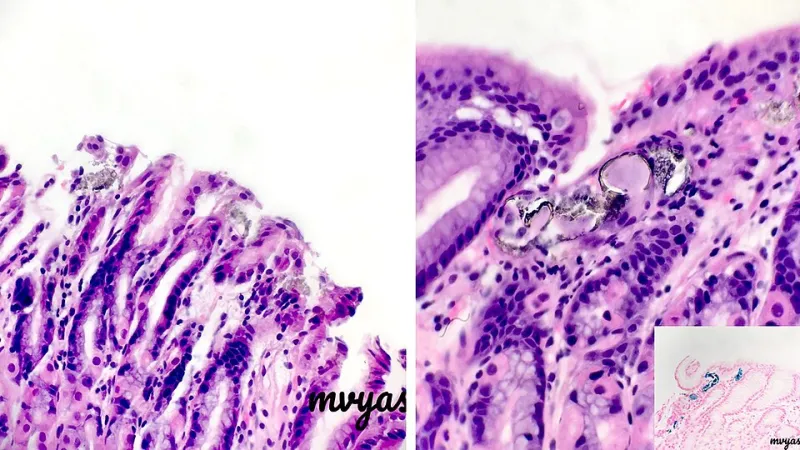
Photo: Atlas of Medical Foreign Bodies, CC BY-SA 2.0, via Wikimedia Commons
For decades, iron has occupied a near-mythological status in American wellness culture. It appears on cereal boxes, prenatal vitamin labels, and the back of energy drink packaging. The message, delivered repeatedly and with confidence, is simple: iron builds strong blood. What that message omits, however, is equally important — and potentially dangerous to ignore.
The truth is that iron is a double-edged mineral. It is indispensable for the production of hemoglobin, the protein within red blood cells responsible for transporting oxygen throughout the body. Yet in excess, it becomes a pro-oxidant, generating free radicals that damage tissues, stress the liver, and accelerate cellular aging. Understanding where you fall on that spectrum is not a luxury — it is a biological necessity.
The Two Faces of Dietary Iron
Not all iron is created equal. The mineral exists in two primary dietary forms: heme iron and non-heme iron, and the distinction between them carries significant clinical implications.
Heme iron is derived exclusively from animal sources — red meat, poultry, and seafood. It is absorbed through a dedicated transport mechanism in the gut and boasts a bioavailability rate of approximately 15 to 35 percent. The body absorbs it efficiently and with relatively little interference from competing dietary compounds.
Non-heme iron, found in plant-based foods such as spinach, lentils, fortified cereals, and beans, follows a more complicated absorption pathway. Its bioavailability ranges from just 2 to 20 percent, and it is highly sensitive to inhibitors. Calcium, polyphenols in coffee and tea, and phytic acid in whole grains can all significantly reduce how much non-heme iron actually enters the bloodstream.
For those relying on supplemental iron — particularly the ferrous sulfate formulations most commonly sold in American pharmacies — understanding this distinction matters enormously. Many standard iron supplements use non-heme forms, which means their actual contribution to blood iron levels may be far lower than the label suggests, while the gastrointestinal side effects remain just as pronounced.
The Hemochromatosis Factor: When Genetics Rewrite the Rules
Perhaps the most compelling argument against universal iron supplementation lies in the genetics of iron metabolism. Hereditary hemochromatosis, one of the most common genetic disorders in the United States, affects approximately 1 in 200 to 1 in 300 individuals of Northern European descent. Individuals with this condition carry mutations in the HFE gene — most commonly the C282Y or H63D variants — that impair the body's ability to regulate iron absorption.
In a healthy individual, the hormone hepcidin acts as a gatekeeper, signaling the intestinal lining to reduce iron absorption when stores are sufficient. In those with hemochromatosis, this regulatory mechanism is compromised. Iron continues to be absorbed regardless of existing stores, gradually accumulating in the liver, heart, pancreas, and joints. Over time, this accumulation can lead to cirrhosis, cardiomyopathy, diabetes, and arthritis.
The insidious aspect of this condition is that it often goes undiagnosed for years, particularly in men who are less likely to lose iron through menstruation. A person with undiagnosed hemochromatosis who begins supplementing with iron — perhaps after reading that iron supports energy and blood health — may be unknowingly accelerating organ damage.
This is not a fringe concern. The Centers for Disease Control and Prevention estimates that up to 1 million Americans are living with hemochromatosis, many without a formal diagnosis. For this population, iron supplementation is not merely unnecessary — it is contraindicated.
Beyond Deficiency: The Spectrum of Iron Status
Most conversations about iron revolve around two poles: deficiency and adequacy. The clinical reality is considerably more nuanced. Iron status exists along a continuum that includes depleted stores, functional deficiency, iron-deficiency anemia, adequate status, iron overload, and frank toxicity.
Serum ferritin — a protein that stores iron — is among the most informative markers available. Low ferritin levels often precede the development of anemia by months and can cause symptoms such as fatigue, poor concentration, and reduced exercise tolerance even when hemoglobin remains within normal range. Conversely, elevated ferritin can signal iron overload, but it is also an acute-phase reactant, meaning inflammation from unrelated conditions can artificially raise ferritin levels, complicating interpretation.
A comprehensive iron panel — including serum iron, total iron-binding capacity (TIBC), transferrin saturation, and ferritin — provides a far more accurate picture than hemoglobin or ferritin alone. Yet many Americans who self-supplement with iron do so without any laboratory testing, guided only by symptoms or general wellness marketing.
Absorption Enhancers and Inhibitors: Timing Is Everything
For individuals who genuinely require iron supplementation, optimizing absorption is as important as the dose itself. Vitamin C — ascorbic acid — is the most well-documented absorption enhancer for non-heme iron. Consuming 100 to 200 milligrams of vitamin C alongside an iron supplement can increase absorption by as much as four-fold by reducing ferric iron (Fe³⁺) to the more absorbable ferrous form (Fe²⁺).
Conversely, several common habits work against iron uptake. Drinking coffee or tea within an hour of taking an iron supplement can reduce absorption by up to 60 percent due to the binding action of tannins. Calcium-rich foods and dairy products, antacids containing calcium carbonate, and certain antibiotics can also interfere significantly. Even the timing of supplementation relative to meals can shift absorption rates by a meaningful margin.
For those managing iron-deficiency anemia, these details are not trivial. The difference between a supplement that works and one that merely passes through the digestive system may come down entirely to what is consumed alongside it.
A Personalized Approach to Iron and Blood Vitality
At VitaSeal Blood, our philosophy is rooted in a fundamental belief: that blood health is not a generic goal but a deeply personal one. The mineral requirements of a 28-year-old woman with heavy menstrual cycles differ profoundly from those of a 55-year-old man with a family history of hemochromatosis or a vegan athlete managing non-heme iron absorption.
The first step toward smarter iron management is testing, not guessing. Before beginning any iron supplementation regimen, consulting with a healthcare provider and requesting a comprehensive iron panel provides the foundational data needed to make informed decisions. Genetic testing for HFE mutations may also be appropriate for individuals with relevant family histories.
The second step is understanding that iron is one component within a broader ecosystem of blood health. Vitamins B12 and B9 (folate), copper, vitamin A, and adequate protein all play critical roles in red blood cell production and hemoglobin synthesis. Addressing iron in isolation, without attention to these cofactors, may yield limited results.
Finally, the form of iron matters. Newer formulations — including ferrous bisglycinate chelate and iron protein succinylate — offer improved tolerability and absorption compared to traditional ferrous sulfate, making them worth discussing with a qualified healthcare professional.
Iron is not the enemy. Uninformed supplementation is. By approaching blood health with the same rigor and individualization that defines modern medicine, Americans can move beyond one-size-fits-all wellness messaging and toward strategies that genuinely serve their unique biology.