Hidden Habits Draining Your Red Blood Cells: 5 Daily Behaviors You Need to Address Now
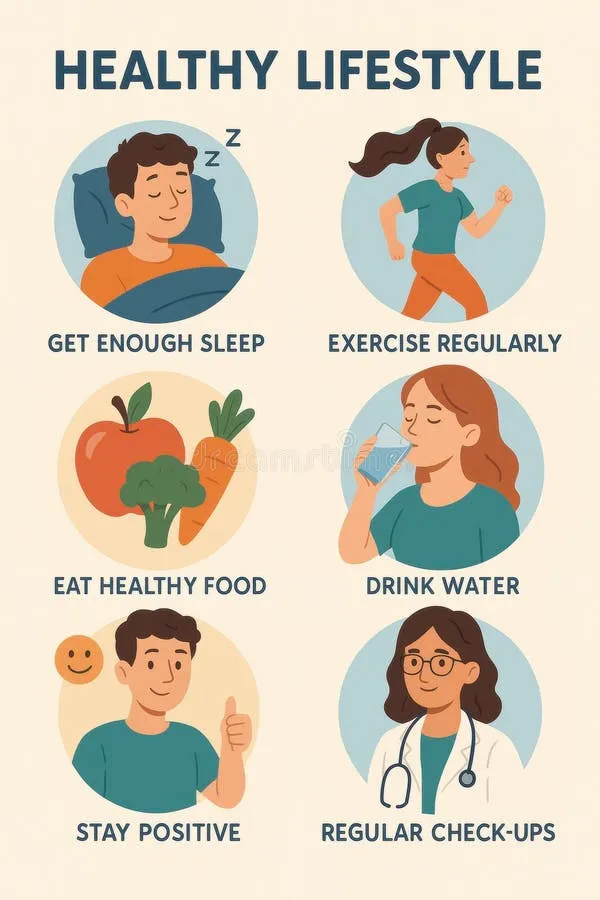
Photo: tired woman healthy lifestyle sleep stress red blood cells vitality wellness, via thumbs.dreamstime.com
Most Americans think about blood health in terms of what they eat — iron-rich foods, leafy greens, perhaps a daily multivitamin. What far fewer people consider is how their daily behavioral patterns influence the very process of red blood cell production at the cellular level. Erythropoiesis — the biological mechanism through which the body manufactures new red blood cells — is exquisitely sensitive to lifestyle inputs that extend well beyond the dinner plate.
At VitaSeal Blood, we believe that fueling your blood means understanding the full picture. The following five habits represent some of the most underappreciated yet scientifically documented threats to blood vitality in everyday American life. More importantly, each one is correctable.
1. Fragmenting Your Sleep — and Undermining Erythropoietin Production
The habit: Staying up past midnight scrolling through a phone, watching television in bed, or maintaining inconsistent sleep and wake times across the week.
Why it matters: Erythropoietin (EPO) is the hormone produced primarily by the kidneys that signals bone marrow to generate new red blood cells. Research published in peer-reviewed journals has established a clear relationship between sleep quality, circadian rhythm integrity, and EPO secretion. Chronic sleep fragmentation — even when total sleep time appears adequate — disrupts the hormonal signaling that governs red blood cell turnover.
Furthermore, the majority of cellular repair and regeneration processes, including bone marrow activity, are upregulated during deep slow-wave sleep. When that phase is consistently shortened or interrupted, the body's capacity to replenish aging red blood cells is correspondingly diminished. Over time, this can contribute to mild anemia and the persistent fatigue that many Americans mistakenly attribute to diet or stress alone.
The fix: Prioritize sleep consistency over sleep duration. Going to bed and waking at the same time each day — yes, including weekends — anchors the circadian rhythm and supports stable hormonal cycling. The National Sleep Foundation recommends seven to nine hours for adults, but the quality and consistency of those hours matter as much as the quantity. Dimming screens an hour before bed and keeping the bedroom cool (between 65 and 68 degrees Fahrenheit) are evidence-supported strategies for improving slow-wave sleep depth.
2. Chronically Elevated Stress — and the Cortisol Connection to Anemia
The habit: Operating in a sustained state of psychological or occupational stress without structured recovery periods.
Why it matters: Cortisol, the body's primary stress hormone, exerts a suppressive effect on the immune and hematopoietic systems when chronically elevated. Studies have demonstrated that prolonged hypercortisolemia — the clinical term for persistently high cortisol — impairs the proliferation of erythroid progenitor cells, the precursors to mature red blood cells in bone marrow.
Beyond its direct effect on cell production, chronic stress also promotes systemic inflammation. Elevated inflammatory cytokines, particularly interleukin-6 and tumor necrosis factor-alpha, upregulate hepcidin — the hormone that restricts iron availability. This creates a state known as anemia of chronic disease or anemia of inflammation, in which the body has adequate iron stores but cannot mobilize them effectively for hemoglobin synthesis.
This is a critical distinction: stress-induced anemia is not solved by iron supplementation. It requires addressing the inflammatory state at its root.
The fix: Structured stress management is not optional for blood health — it is physiological maintenance. Even 10 to 15 minutes of daily diaphragmatic breathing, progressive muscle relaxation, or mindfulness-based stress reduction has been shown to meaningfully lower cortisol levels over time. Physical activity, when performed at moderate intensity, also serves as a powerful cortisol regulator, provided it does not cross into overtraining territory.
3. Drinking Coffee With Meals — and Blocking Iron Absorption at the Table
The habit: Enjoying a cup of coffee or black tea alongside breakfast or lunch, particularly when those meals contain iron-rich foods.
Why it matters: This is one of the most prevalent and least-recognized dietary mistakes affecting blood health in the United States, where coffee consumption averages more than three cups per day per adult drinker. Tannins and polyphenols — the bioactive compounds responsible for coffee's characteristic astringency and many of its antioxidant properties — bind to non-heme iron in the gastrointestinal tract and form insoluble complexes that cannot be absorbed.
Studies have shown that drinking coffee with a meal can reduce non-heme iron absorption by 39 to 60 percent. For individuals already at risk for iron insufficiency — including women of reproductive age, older adults, and those following plant-based diets — this single habit can meaningfully undermine dietary iron intake over weeks and months.
Tea presents a similar concern. Herbal teas vary considerably, but black and green teas contain sufficient tannin concentrations to produce comparable inhibitory effects.
The fix: Separate coffee and tea consumption from iron-rich meals by at least 60 minutes — ideally 90 minutes. Drinking these beverages mid-morning or mid-afternoon, rather than with breakfast or lunch, preserves the iron absorption that occurs during digestion. Pairing iron-rich foods with vitamin C sources — orange juice, bell peppers, strawberries — during meals actively counteracts inhibition and enhances uptake.
4. Overhydrating With Plain Water Before Meals — and Diluting Gastric Acid
The habit: Drinking large volumes of plain water immediately before or during meals in the name of hydration or appetite control.
Why it matters: Adequate gastric acid (hydrochloric acid) is essential for converting ferric iron (Fe³⁺) — the predominant form found in food and many supplements — into the ferrous form (Fe²⁺) that intestinal cells can absorb. Consuming 16 to 20 ounces of water within minutes of eating dilutes gastric acid concentration, temporarily raising stomach pH and impairing this conversion process.
This mechanism also affects the absorption of vitamin B12, which requires both gastric acid and intrinsic factor for proper uptake. Both iron and B12 are critical for healthy red blood cell formation. Individuals who consistently dilute their gastric environment at mealtimes may be inadvertently compromising two of the most important micronutrients for blood vitality simultaneously.
The fix: Hydrate strategically. Aim to consume the majority of your daily water intake between meals — particularly in the morning upon waking and during mid-afternoon. Drink no more than four to six ounces of water with meals to avoid significant gastric dilution. If you take iron supplements, consider taking them with a small amount of vitamin C-rich juice rather than a full glass of water, and do so between meals when gastric acid concentration is at its highest.
5. Sedentary Behavior Followed by Intense Exercise Bursts — and the Hemolysis Problem
The habit: Spending most of the week in sedentary occupational settings, then engaging in high-intensity running, cycling, or jumping activities on weekends.
Why it matters: Exercise-induced hemolysis — the mechanical destruction of red blood cells during physical activity — is a well-documented phenomenon, particularly prominent in runners due to the repetitive impact of foot striking. When this occurs in individuals whose cardiovascular systems are not conditioned through regular training, the rate of red blood cell destruction can temporarily outpace the body's ability to produce replacements.
Moreover, intense exercise triggers a significant release of hepcidin in the hours following a workout, reducing intestinal iron absorption for up to 24 hours post-exercise. For the weekend warrior who supplements with iron or relies on dietary iron to maintain blood health, scheduling supplementation immediately after intense training may render it largely ineffective.
This pattern — prolonged inactivity punctuated by intense effort — also promotes chronic low-grade inflammation, circling back to the cortisol and cytokine concerns described earlier.
The fix: Distribute physical activity consistently throughout the week rather than concentrating it on one or two days. Even moderate daily movement — a 30-minute brisk walk, a brief resistance training session — conditions the cardiovascular and hematopoietic systems to manage exercise stress more efficiently. If intense training is unavoidable, schedule iron supplementation in the morning, well before afternoon or evening workouts, to avoid the post-exercise hepcidin window.
The Bigger Picture: Blood Vitality Is a Daily Practice
Red blood cell health is not determined by a single supplement or a single meal. It is the cumulative product of hundreds of daily decisions — when you sleep, how you manage stress, what you drink and when, and how you move your body. Each of the habits described above represents a leverage point: a place where a modest behavioral shift can produce a meaningful physiological return.
At VitaSeal Blood, our mission is to empower Americans with the knowledge to make those shifts with confidence and clarity. Blood health is not passive. It is built — one informed decision at a time.