Glucose Overload and Sluggish Circulation: The Metabolic Threat to Your Blood's Fluidity
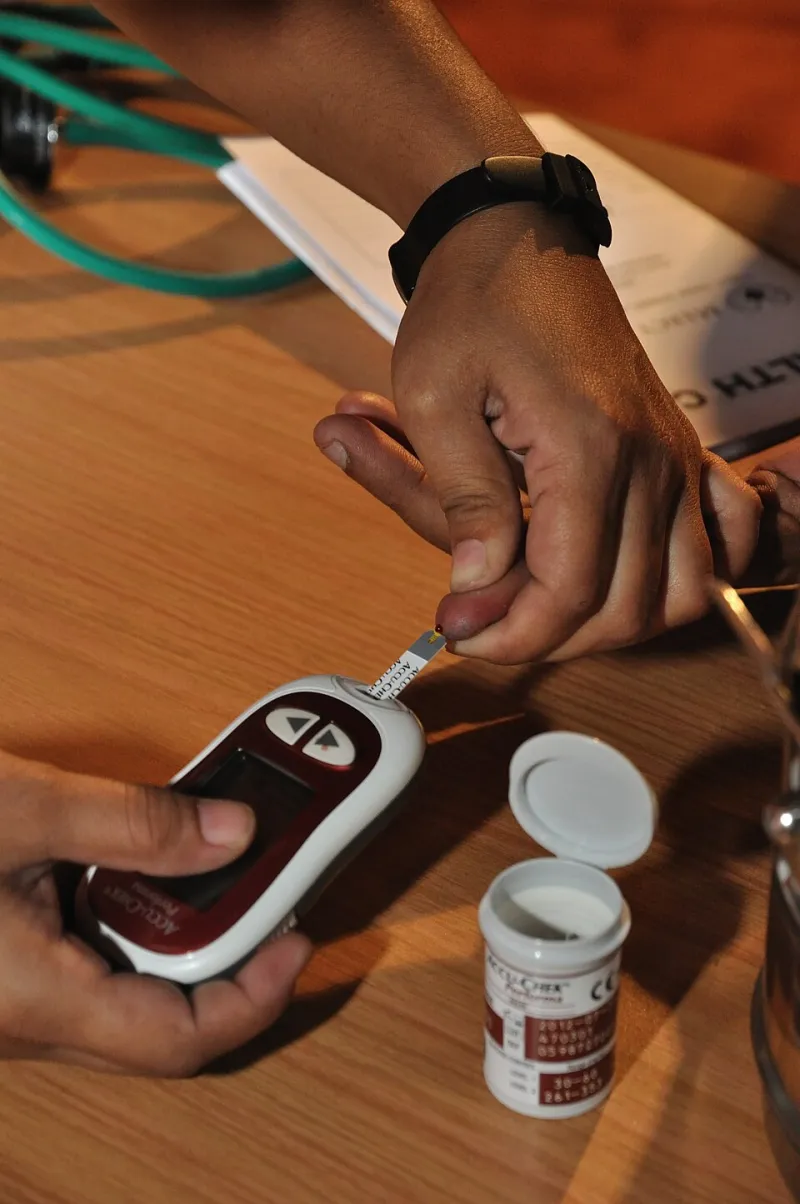
Photo: Biswarup Ganguly, CC BY 3.0, via Wikimedia Commons
America is in the middle of a metabolic crisis. More than one in three adults in the United States is estimated to have prediabetes, and the vast majority are unaware of it. Millions more cycle through erratic blood sugar patterns daily—driven by ultra-processed diets, irregular meal timing, and chronic stress—without recognizing the downstream consequences. One of those consequences, rarely discussed in mainstream health conversations, is what elevated glucose does to the physical properties of blood itself.
Blood is not simply a passive liquid. It is a dynamic, living fluid whose behavior inside your vessels depends on a precise balance of cellular composition, protein concentration, and hydration. When that balance is disrupted—as it routinely is when blood sugar spikes—blood becomes measurably thicker, and the entire circulatory system is forced to compensate.
What Viscosity Actually Means for Your Circulation
Blood viscosity refers to the resistance of blood to flow. Think of it as the difference between water and honey moving through a tube: the thicker the fluid, the more force is required to push it forward. In the human body, that force comes from the heart.
Healthy blood maintains a viscosity level that allows it to travel efficiently through vessels of varying diameter—from the wide aorta down to the narrowest capillaries. When viscosity rises, flow resistance increases throughout the entire network. The heart must generate greater pressure to maintain adequate circulation, peripheral tissues receive less oxygen-rich blood, and the risk of vascular complications escalates over time.
The critical insight is that blood viscosity is not fixed. It fluctuates in response to numerous physiological variables—and blood glucose concentration is among the most potent of them.
How Elevated Glucose Thickens Your Blood
When blood sugar rises sharply after a meal or a sugary beverage, several mechanisms converge to increase viscosity almost immediately.
First, glucose molecules are osmotically active. They draw water from red blood cells, causing those cells to shrink and become less deformable. Red blood cells must be highly flexible to squeeze through capillaries narrower than the cells themselves. When they stiffen, flow through the microvasculature becomes sluggish and inefficient.
Second, elevated glucose promotes a process called glycation—the non-enzymatic binding of glucose to proteins, including those found on red blood cell membranes and in plasma. Glycated proteins alter the electrical charge of red blood cells, causing them to clump together rather than repelling one another as healthy cells do. This aggregation dramatically increases whole-blood viscosity.
Third, chronic or repeated glucose elevation triggers systemic inflammation and elevates fibrinogen—a clotting protein whose concentration in plasma is one of the strongest independent predictors of blood viscosity. Higher fibrinogen means thicker blood, regardless of red blood cell behavior.
The result of these combined effects is a circulatory environment where every organ, tissue, and cell in the body receives blood that is working against itself.
The Cardiovascular Burden You Are Not Measuring
Most people track blood pressure, cholesterol, and resting heart rate as proxies for cardiovascular health. Blood viscosity, by contrast, is rarely measured in routine clinical settings—yet the evidence linking elevated viscosity to cardiovascular risk is substantial.
Research has consistently associated high whole-blood viscosity with increased risk of hypertension, atherosclerosis, heart attack, and stroke. When blood is thick and sluggish, arterial walls experience greater shear stress, which accelerates endothelial damage and plaque formation. The heart, forced to pump against higher resistance, undergoes structural changes over time that compromise its long-term function.
For individuals experiencing frequent glucose spikes—whether from a high-glycemic diet, insulin resistance, or unmanaged type 2 diabetes—this cardiovascular burden is not a distant theoretical risk. It is an ongoing physiological reality occurring meal after meal, day after day.
The Dietary Patterns Making Things Worse
The standard American diet is remarkably well-designed to produce exactly the kind of glycemic volatility that drives viscosity upward. Refined carbohydrates, sugary beverages, and low-fiber processed foods cause rapid, pronounced spikes in blood glucose. Without adequate dietary fiber, healthy fats, or protein to slow digestion, glucose floods the bloodstream in concentrated waves.
Interestingly, it is not simply the absolute level of blood sugar that matters—it is the pattern of fluctuation. Research suggests that glycemic variability, the amplitude and frequency of rises and falls in blood glucose throughout the day, may be as metabolically damaging as sustained elevation. Each spike triggers the inflammatory and viscosity-raising cascades described above, even in individuals who might appear metabolically healthy by fasting glucose standards alone.
Foods with a high glycemic index—white bread, sweetened cereals, fruit juices, and many snack foods ubiquitous in American households—are therefore not merely a concern for diabetics. They are a circulatory health issue for anyone consuming them regularly.
Practical Interventions That Restore Metabolic and Circulatory Balance
The encouraging reality is that blood viscosity responds to behavioral change relatively quickly. The same lifestyle modifications that stabilize blood sugar also reduce the inflammatory and rheological burden on the circulatory system.
Prioritize fiber at every meal. Soluble fiber—found in oats, legumes, apples, and flaxseed—slows gastric emptying and blunts post-meal glucose spikes. Even modest increases in daily fiber intake have been shown to reduce glycemic variability meaningfully.
Restructure meal composition. Consuming protein and healthy fats before or alongside carbohydrates significantly attenuates the glycemic response. This simple sequencing strategy, supported by clinical research, can reduce post-meal glucose elevation by 30 to 40 percent without eliminating carbohydrates entirely.
Move after meals. A brief walk—even ten to fifteen minutes—following a meal substantially improves post-prandial glucose clearance by activating muscle glucose uptake independent of insulin. This is one of the most accessible and evidence-backed tools available for reducing glycemic spikes.
Hydrate strategically. Blood viscosity is highly sensitive to hydration status. Mild dehydration compounds the thickening effects of elevated glucose. Consistent water intake throughout the day—particularly before and during meals—supports both glycemic regulation and optimal blood fluidity.
Consider targeted nutritional support. Certain compounds have demonstrated meaningful effects on both glucose metabolism and blood viscosity. Magnesium, for instance, plays a central role in insulin sensitivity and is chronically deficient in a large proportion of the US population. Omega-3 fatty acids reduce fibrinogen levels and improve red blood cell membrane flexibility. Polyphenols found in dark berries and green tea exert antioxidant effects that counteract glycation-induced cellular damage.
Rethinking Metabolic Health as a Circulatory Issue
The conversation around blood sugar in the United States has long been framed almost exclusively around diabetes risk and weight management. These are legitimate concerns—but they represent only a portion of what metabolic dysfunction costs the body.
Every glucose spike is simultaneously a circulatory event. Every bout of glycemic volatility places a measurable mechanical and inflammatory burden on the cardiovascular system. For a health-conscious audience already attuned to the importance of blood quality and vascular function, this connection reframes metabolic health as something deeply personal and immediate—not a distant risk to manage decades from now, but a daily physiological reality with consequences that are felt in energy levels, cognitive clarity, physical endurance, and long-term vascular integrity.
Fueling your blood well means more than ensuring adequate iron or optimal hydration. It means managing the metabolic environment in which your blood operates—because the quality of your circulation is only as good as the chemistry surrounding it.