The Blood Type Blueprint: What Your ABO Status Actually Means for Nutrient Absorption and Vascular Health
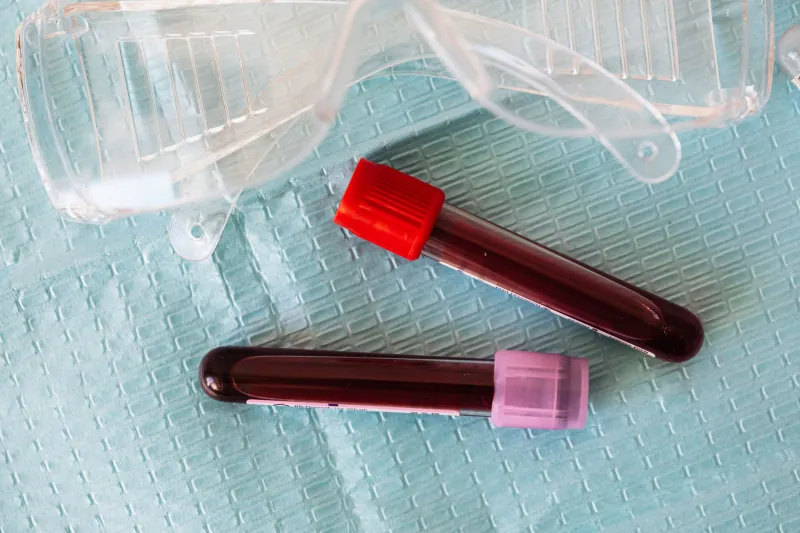
Most Americans know their blood type the way they know their shoe size—a number or letter filed away somewhere in memory, recalled only when a form demands it. Yet the ABO classification system encodes far more biological information than emergency medicine alone requires. A growing body of research is beginning to map the ways in which blood type intersects with nutrient metabolism, immune signaling, and the long-term health of the vascular system itself.
This is not a revival of the blood type diet popularized in the late 1990s, a framework that generated significant commercial enthusiasm but limited clinical validation. What is emerging today is more granular, more cautious, and considerably more interesting.
What Blood Type Actually Represents at the Cellular Level
The ABO blood group system classifies red blood cells according to the antigens expressed on their surface—glycoproteins and glycolipids that extend outward from the cell membrane. Type A individuals express A antigens; Type B individuals express B antigens; Type AB individuals express both; and Type O individuals express neither, carrying instead a precursor structure called the H antigen.
Critically, these surface markers are not confined to red blood cells. ABO antigens appear on the endothelial cells lining blood vessels, on epithelial cells throughout the digestive tract, and in various secreted fluids. This broad distribution means that blood type biology is, in a very real sense, vascular biology—and gastrointestinal biology simultaneously.
The implications for both nutrient absorption and circulatory health are therefore structural, not merely theoretical.
Cardiovascular Risk Patterns That Track Along Blood Type Lines
Some of the most compelling evidence connecting blood type to health outcomes comes from cardiovascular research. A landmark analysis published in the journal Arteriosclerosis, Thrombosis, and Vascular Biology examined data from over 89,000 participants and found that individuals with Type A, B, or AB blood carried a meaningfully higher risk of coronary artery disease compared to Type O individuals.
Type AB, in particular, has appeared in multiple studies as the group with the most elevated cardiovascular risk profile. Researchers have proposed several mechanisms, including differential expression of von Willebrand factor—a protein central to clotting and platelet adhesion—which tends to be lower in Type O individuals. Higher von Willebrand factor activity is associated with increased thrombotic risk, and its expression appears to be partly regulated by ABO gene products.
For anyone focused on maintaining healthy blood flow and vascular integrity, this distinction is not trivial. It suggests that blood type may function as a background variable shaping the terrain on which other lifestyle factors operate.
Inflammation, Immune Response, and the Gut Connection
The ABO antigens present in the gastrointestinal lining interact with lectins—proteins found in many plant foods that bind to carbohydrate structures. Different lectins bind preferentially to different ABO antigen configurations, which has led researchers to hypothesize that the inflammatory potential of certain foods may vary by blood type.
While this hypothesis remains contested in the clinical literature and has not been validated by large-scale dietary intervention trials, the underlying biochemistry is not without basis. Some lectins demonstrably agglutinate red blood cells in type-specific patterns in vitro. Whether this translates to meaningful physiological differences in vivo, at the concentrations found in food, is a question that deserves continued rigorous study rather than dismissal.
What is more firmly established is the relationship between blood type and susceptibility to certain gastrointestinal pathogens. Type O individuals are known to be more susceptible to Helicobacter pylori infection, a bacterium that colonizes the stomach lining and has been linked to both ulcers and systemic inflammation. H. pylori uses fucosylated structures—closely related to the H antigen expressed by Type O individuals—as attachment points. This is a clear example of ABO biology influencing immune vulnerability in a clinically significant way.
Nutrient Absorption: Where the Science Gets Specific
Several micronutrients relevant to blood health appear to have absorption profiles that may be influenced by ABO status, though research in this area remains early-stage.
Vitamin D metabolism has attracted attention in this context. Studies have identified associations between ABO blood type and vitamin D receptor gene variants, suggesting that the efficiency with which individuals convert sunlight exposure and dietary intake into active vitamin D may differ across blood groups. Given vitamin D's role in vascular smooth muscle function and immune regulation, this potential variation carries genuine relevance.
Folate and B12, both essential for healthy red blood cell production and homocysteine regulation, have also appeared in exploratory analyses suggesting type-specific absorption dynamics. Elevated homocysteine is an established risk factor for endothelial damage and cardiovascular disease—making any factor that modulates its metabolism worth examining carefully.
Iron regulation presents another dimension. Type O individuals, who may face higher baseline inflammatory burdens in some contexts due to pathogen susceptibility, could theoretically experience different iron utilization patterns than Type A or B individuals. Research here is preliminary, but the intersection of iron metabolism, inflammation, and blood type warrants attention from anyone managing energy levels and oxygen-carrying capacity.
The Limits of Current Knowledge—and Why They Matter
Intellectual honesty requires acknowledging that much of the blood-type-specific nutrition research is observational, mechanistic, or preliminary. Randomized controlled trials isolating blood type as an independent dietary variable are scarce. The original blood type diet lacked the evidentiary foundation its proponents claimed, and that history appropriately raises the bar for subsequent claims in this space.
What responsible science communication demands is a distinction between what is established, what is plausible, and what is speculative. The cardiovascular risk associations are relatively well-documented. The immune susceptibility patterns are established. The nutrient absorption variations are biologically plausible but not yet clinically confirmed at a population level.
This nuance matters because it shapes how individuals should use this information—not as a rigid dietary prescription, but as one lens among many for understanding personal health tendencies.
Personalizing Your Approach to Blood Health
For Americans increasingly interested in precision wellness—a market that has expanded dramatically in the era of direct-to-consumer genetic testing and wearable health monitoring—blood type represents an accessible, low-cost data point that has historically been underutilized in personalized nutrition conversations.
If you are Type O and concerned about cardiovascular health, the research on von Willebrand factor and thrombotic risk suggests particular attention to vascular inflammation management may be warranted. If you are Type A or AB, the elevated coronary risk associations in the literature make endothelial support a priority worth discussing with your healthcare provider.
For all blood types, the core principles of blood health remain foundational: adequate hydration, anti-inflammatory dietary patterns, micronutrient sufficiency, and consistent physical activity. Blood type may modulate how effectively your body executes on those foundations—it does not replace them.
The science of blood-type-specific health is neither the revolutionary framework its early popularizers claimed nor the irrelevant curiosity its critics sometimes suggest. It occupies a more productive middle ground: a biologically meaningful variable that deserves serious, ongoing investigation and thoughtful integration into personalized health strategies.
Your blood type has been with you since before birth. Understanding what it actually encodes—beyond transfusion compatibility—is simply good science in service of better living.