When Your Gut Wall Fails, Your Blood Pays the Price: The Cellular Science of Intestinal Permeability and Vascular Damage
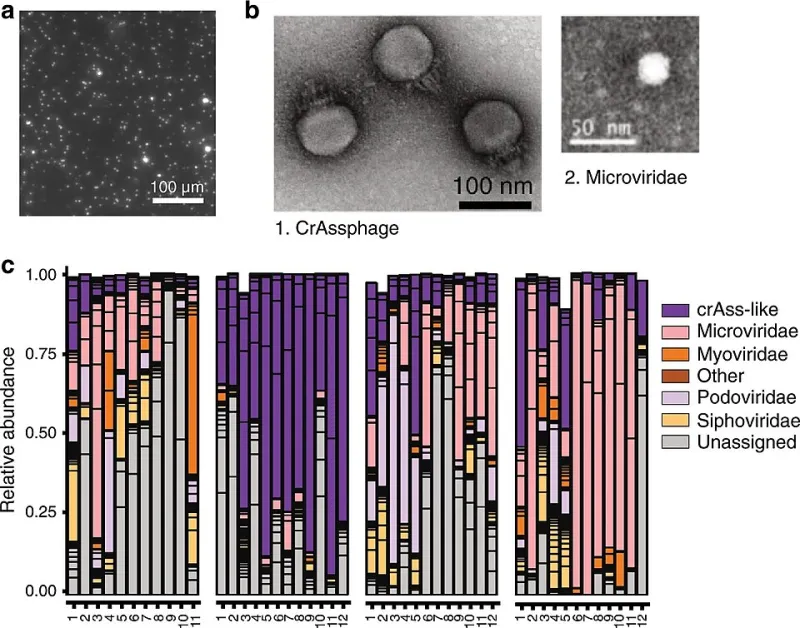
Photo: Romain Sausset, Marie-Agnès Petit, V. Gaboriau-Routhiau & Marianne de Paepe. b 1 & 2 have been resized (magnified), b' 3 & 4 have been removed for licensing reasons., CC BY 4.0, via Wikimedia Commons
Most Americans think about their gut and their cardiovascular system as separate concerns. One belongs to the gastroenterologist; the other to the cardiologist. Yet mounting scientific evidence suggests this division is largely artificial. What happens inside the lining of your intestines does not stay there—it travels, in the most literal sense, directly into your bloodstream, where it can alter the structure and function of your blood vessels at the cellular level.
This is not a fringe theory. It is an area of active investigation in some of the country's leading research institutions, and its implications for blood health are profound.
What the Gut Wall Actually Does
The intestinal lining is not simply a passive tube through which food passes. It is a sophisticated, selectively permeable membrane approximately the size of a tennis court when fully unfolded. Its surface is lined with epithelial cells joined together by structures called tight junctions—microscopic protein complexes that act as gatekeepers, determining what crosses into the bloodstream and what does not.
Under healthy conditions, these tight junctions allow nutrients, water, and electrolytes to pass through while blocking undigested food particles, microbial fragments, and harmful bacterial byproducts. This discrimination is not incidental. It is essential to systemic health.
When tight junctions weaken or degrade—a condition commonly described as intestinal permeability, or informally as "leaky gut"—that discrimination collapses. The gut wall loses its ability to filter selectively, and the bloodstream is exposed to substances it was never designed to encounter in significant quantities.
Lipopolysaccharides: The Bacterial Toxin Your Blood Vessels Fear
Among the most vascularly damaging substances that can cross a compromised gut barrier are lipopolysaccharides, more commonly abbreviated as LPS. These molecules are structural components of the outer membrane of gram-negative bacteria, which constitute a large portion of the gut microbiome. Under normal circumstances, LPS is contained within the intestinal environment and managed by local immune defenses.
When the gut barrier is breached, LPS enters portal circulation and eventually reaches systemic blood vessels. Once there, it binds to a receptor complex on immune cells known as TLR4 (Toll-like receptor 4), triggering a powerful inflammatory response. This is the body's attempt to neutralize what it correctly identifies as a microbial threat.
The problem is that this response does not stay localized. It propagates throughout the vasculature. Inflammatory cytokines—signaling proteins including tumor necrosis factor-alpha (TNF-α) and interleukin-6 (IL-6)—are released into circulation, where they act directly on the endothelium, the thin cellular layer lining every blood vessel in the body.
Researchers have a specific term for this state of chronic, low-grade bacterial toxin exposure: metabolic endotoxemia. And studies have linked it to measurable reductions in vascular function even in individuals who do not appear acutely ill.
How Endothelial Cells Bear the Burden
The endothelium is not merely a structural boundary. It is a metabolically active tissue that regulates vascular tone, controls the adhesion of immune cells and platelets, modulates clotting, and governs the dilation and constriction of blood vessels in response to physiological demand. Its health is foundational to everything your circulatory system is asked to do.
When LPS-driven inflammation reaches endothelial cells, it initiates a cascade of molecular damage. Nitric oxide bioavailability—the key signaling molecule responsible for vessel relaxation—is reduced. Oxidative stress increases as reactive oxygen species accumulate faster than the endothelium's antioxidant defenses can neutralize them. Adhesion molecules are upregulated on the vessel wall surface, making it easier for monocytes and other immune cells to attach and begin the early stages of plaque formation.
In parallel, endothelial tight junctions—structurally similar to those in the gut—can themselves become compromised, increasing vascular permeability and allowing inflammatory mediators to penetrate arterial walls more deeply.
This is not a theoretical sequence. Human studies measuring endothelial function via flow-mediated dilation have demonstrated impaired vascular responses in individuals with elevated circulating LPS levels, even after controlling for traditional cardiovascular risk factors.
The Feedback Loop That Makes It Worse
One of the more troubling aspects of this gut-blood relationship is its tendency toward self-reinforcement. Systemic inflammation generated by LPS exposure does not simply affect blood vessels—it also acts back on the gut itself. Inflammatory cytokines circulating in the bloodstream can further degrade intestinal tight junction proteins, increasing permeability and allowing even more LPS to enter circulation.
This bidirectional relationship means that once intestinal permeability is established, the resulting vascular inflammation can perpetuate and even amplify the original gut dysfunction. The cycle becomes self-sustaining without deliberate intervention.
Additionally, the chronic immune activation associated with metabolic endotoxemia places sustained demand on the body's inflammatory resolution pathways. Over time, this can reduce the system's capacity to respond appropriately to genuine threats while maintaining a background state of low-level vascular injury.
What Drives Intestinal Permeability in the First Place
Understanding the triggers of tight junction breakdown is essential for anyone seeking to interrupt this cycle. Research has identified several factors common in the American lifestyle that compromise gut barrier integrity.
Chronic psychological stress activates the hypothalamic-pituitary-adrenal axis and releases corticotropin-releasing hormone, which has been shown to increase intestinal permeability directly. Diets high in refined sugars and ultra-processed foods alter microbial composition in ways that reduce the production of short-chain fatty acids—particularly butyrate—which are critical fuel sources for intestinal epithelial cells and tight junction maintenance.
Chronic low-dose alcohol consumption disrupts both microbial balance and epithelial integrity simultaneously. Prolonged use of non-steroidal anti-inflammatory drugs (NSAIDs) has well-documented effects on gut lining permeability. Dysbiosis—an imbalance in the gut microbial community favoring gram-negative bacteria—directly increases the LPS burden that tight junctions must contain.
The convergence of these factors in many American adults creates conditions highly favorable to sustained intestinal permeability and its downstream vascular consequences.
Restoring the Barrier, Protecting the Vessels
The science of gut-barrier restoration is still developing, but several nutritional and behavioral strategies have demonstrated meaningful effects in clinical research.
Dietary fiber, particularly fermentable prebiotic fibers found in foods such as chicory root, garlic, leeks, and oats, supports the growth of butyrate-producing bacteria that reinforce epithelial integrity. Fermented foods—including plain yogurt, kimchi, and kefir—have been associated in recent studies with reduced inflammatory marker levels and improved microbial diversity.
Amino acids such as L-glutamine serve as a primary energy substrate for intestinal epithelial cells and have been studied for their role in maintaining tight junction protein expression. Zinc, an essential mineral involved in hundreds of enzymatic processes, plays a documented role in gut barrier function and is frequently deficient in the standard American diet.
From a behavioral standpoint, evidence-based stress reduction practices—including structured sleep routines, moderate physical activity, and mindfulness techniques—have measurable effects on gut permeability markers over time.
A Circulatory Strategy That Begins in the Gut
Blood health optimization has historically focused on the vascular system itself: lipid profiles, blood pressure, red cell counts, and clotting dynamics. These remain important. But the science of intestinal permeability introduces a different category of intervention—one that addresses a root-level driver of endothelial dysfunction rather than its downstream manifestations.
For anyone serious about protecting the integrity of their circulatory system, the gut wall deserves the same attention as the vessel wall. They are, in ways that matter enormously to your long-term health, part of the same system.