Dehydration's Hidden Grip on Your Blood: The Chemistry No One Is Talking About

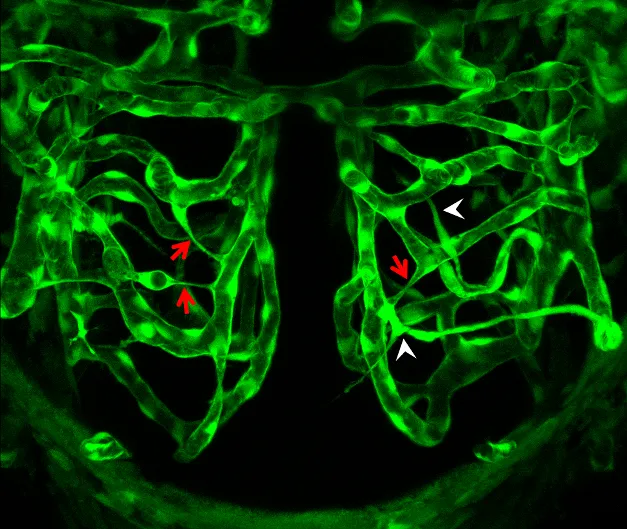
Photo: blood cells flowing through veins hydration science microscope, via img.freepik.com
Most Americans associate dehydration with a dry mouth, a mild headache, or the occasional afternoon slump. The remedy seems obvious: drink a glass of water and move on. Yet this surface-level understanding dramatically underestimates what is happening inside the body when fluid intake chronically falls short of physiological demand. At the level of your bloodstream, even mild dehydration triggers a sequence of chemical and mechanical changes that compromise virtually every system dependent on efficient circulation—which is to say, every system in the body.
For anyone serious about energy, endurance, cognitive sharpness, or long-term vitality, dehydration is not a minor inconvenience. It is a silent saboteur operating at the molecular level, and its effects accumulate far faster than most people realize.
What Dehydration Actually Does to Your Blood
Blood is roughly 55 percent plasma, and plasma is approximately 90 percent water. This fluid matrix is the medium through which oxygen, glucose, hormones, electrolytes, immune factors, and cellular waste products are transported throughout the body. When total body water declines—even by as little as one to two percent of body weight—plasma volume contracts proportionally.
The consequence is not trivial. As plasma volume shrinks, blood becomes more concentrated and viscous. Red blood cells, platelets, and proteins are now suspended in less fluid, meaning they are packed more densely together. This thickening effect forces the heart to work harder to push blood through vessels, reduces the speed at which nutrients reach target tissues, and slows the removal of metabolic byproducts such as lactic acid and carbon dioxide.
In practical terms, thicker blood is less efficient blood. The delivery pipeline narrows, and everything downstream—muscle cells, neurons, organ tissue—operates under a form of nutritional and respiratory stress.
The Oxygen Equation: Why Dehydrated Blood Underdelivers
One of the most consequential effects of elevated blood viscosity involves oxygen transport. Red blood cells carry oxygen molecules bound to hemoglobin, releasing them at the cellular level in exchange for carbon dioxide. This exchange depends heavily on the speed and ease with which red blood cells can travel through capillaries—the smallest blood vessels in the body, some of which are barely wider than a single red blood cell.
When viscosity increases, red blood cells move more sluggishly through these narrow passages. Transit time lengthens, and the efficiency of gas exchange declines. Tissues receive less oxygen per unit of time, even when hemoglobin levels and red blood cell counts are otherwise normal. This is a critical distinction: you can have perfectly healthy blood cells and still experience the functional consequences of poor oxygen delivery if dehydration is compromising the fluid dynamics of your circulatory system.
For athletes and physically active individuals, this translates directly into earlier fatigue onset, reduced power output, and longer recovery windows. For those in cognitively demanding careers, it manifests as slower processing speed, diminished focus, and the kind of mental fog that no amount of caffeine seems to fully resolve.
Electrolyte Disruption and the Cellular Energy Crisis
Dehydration does not merely reduce fluid volume—it distorts the balance of electrolytes that govern cellular function. Sodium, potassium, magnesium, and chloride maintain the electrical gradients across cell membranes that are essential for nerve signaling, muscle contraction, and the production of adenosine triphosphate (ATP), the body's primary energy currency.
When plasma water decreases, electrolyte concentrations shift. Sodium, in particular, becomes relatively more concentrated, a condition the body responds to by drawing water out of cells in an attempt to dilute the extracellular environment. This cellular dehydration compounds the circulatory problem: cells that are themselves water-depleted become less efficient at generating energy, transmitting signals, and performing their specialized functions.
The mitochondria—the organelles responsible for ATP synthesis—are especially sensitive to hydration status. Research indicates that even moderate dehydration impairs mitochondrial efficiency, reducing the yield of energy produced per unit of substrate consumed. The result is a form of metabolic underperformance that feels like exhaustion but has nothing to do with how much sleep you got or how nutritious your last meal was.
Nutrient Transport: The Compromised Delivery System
Beyond oxygen, your blood is responsible for ferrying a continuous supply of vitamins, minerals, amino acids, fatty acids, and other bioactive compounds to cells throughout the body. Many of these nutrients—including the B vitamins involved in red blood cell production, the iron required for hemoglobin synthesis, and the antioxidants that protect vessel walls from oxidative damage—are water-soluble and depend on an adequately hydrated plasma environment for efficient transport.
When plasma volume contracts, the concentration gradient that drives nutrient uptake into tissues can be disrupted. Cells may receive suboptimal quantities of the very compounds intended to support their function, even when dietary intake or supplementation is theoretically sufficient. This is a particularly important consideration for individuals using nutritional supplements to support blood health: the benefits of any blood-supporting intervention are contingent on the circulatory infrastructure being capable of delivering those compounds effectively.
In other words, dehydration does not merely create its own problems—it undermines the solutions you are already implementing.
Inflammation, Cortisol, and the Stress Amplifier
Chronic mild dehydration also activates physiological stress responses. The kidneys, sensing reduced fluid availability, signal the adrenal glands to release aldosterone and antidiuretic hormone (ADH) in an effort to conserve water. Simultaneously, cortisol levels—already elevated in many Americans navigating high-demand professional and personal lives—tend to rise in response to the perceived internal stress of fluid deficit.
Elevated cortisol is associated with systemic low-grade inflammation, impaired immune regulation, and accelerated breakdown of muscle tissue. From a blood health perspective, chronic inflammation is particularly damaging: it promotes endothelial dysfunction, increases platelet aggregation, and contributes to the kind of vascular environment that undermines long-term circulatory health.
The relationship is cyclical and self-reinforcing. Dehydration triggers stress hormones; stress hormones promote inflammation; inflammation impairs vascular function; impaired vascular function reduces the efficiency of fluid and nutrient exchange—which exacerbates the body's hydration deficit.
Rehydration Done Right: Beyond the Eight-Glass Rule
Effective hydration strategy requires more nuance than simply counting glasses of water. Individual fluid requirements vary based on body size, activity level, climate, dietary sodium intake, and the presence of conditions such as kidney disease or heart failure. A 180-pound endurance runner training in summer humidity has profoundly different hydration needs than a sedentary office worker in a climate-controlled environment.
Several practical principles, however, apply broadly:
Prioritize consistency over volume. Drinking large quantities of water infrequently is less effective than maintaining a steady intake throughout the day. The kidneys can only absorb and distribute fluid at a finite rate; excess consumed rapidly is largely excreted.
Monitor urine color as a real-time indicator. Pale yellow urine generally reflects adequate hydration; dark amber or concentrated urine signals a deficit that should be addressed promptly.
Account for electrolytes. Plain water alone does not replenish the electrolytes lost through sweat, respiration, and urinary excretion. Foods rich in potassium and magnesium—such as leafy greens, avocados, and legumes—as well as electrolyte-containing beverages, can support the osmotic balance necessary for proper cellular hydration.
Recognize that thirst is a lagging indicator. By the time thirst registers consciously, mild dehydration has typically already begun to affect blood viscosity and cognitive performance. Proactive intake, rather than reactive drinking, is the more effective approach.
The Foundation Beneath Every Other Intervention
At VitaSeal Blood, our commitment is to the science of blood health in its full complexity—not to oversimplified wellness narratives. Hydration occupies a foundational position in that science because it governs the physical medium through which every other blood health variable operates. Iron levels, red blood cell counts, inflammatory markers, and vascular integrity all matter enormously—but their functional expression depends on the fluid environment in which blood operates.
For those investing in nutritional support, lifestyle optimization, or targeted supplementation to enhance vitality and circulatory health, adequate hydration is not optional background noise. It is the infrastructure upon which every other intervention is built. Neglect it, and even the most carefully designed wellness protocol will deliver a fraction of its potential benefit.
Your blood is the river of your life. Keep it flowing.