The Invisible Network Aging You From Within: What Your Capillaries Reveal About Biological Youth
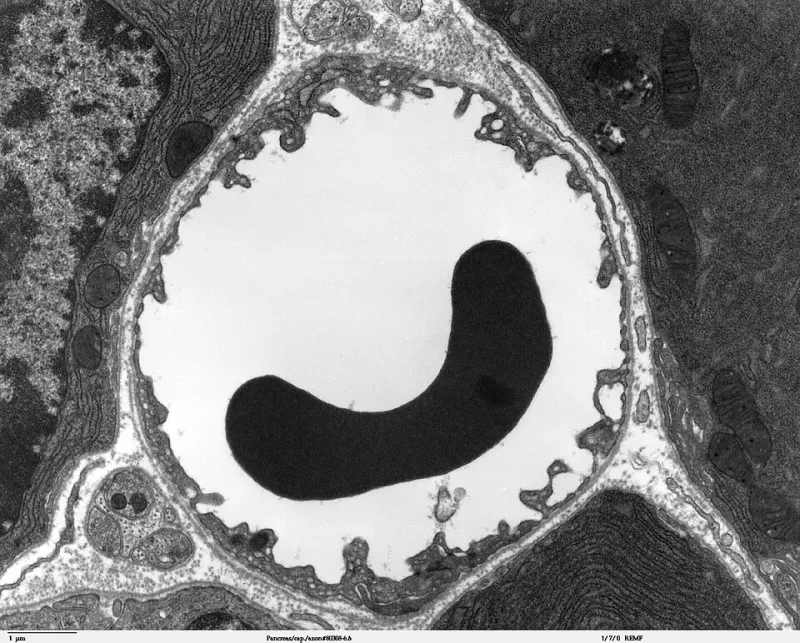
Photo: Louisa Howard, Public domain, via Wikimedia Commons
Most Americans think about aging in terms of what they can see: fine lines, graying hair, reduced stamina. Yet the most consequential aging processes unfold in spaces invisible to the naked eye—inside a labyrinthine network of blood vessels so small that a single red blood cell must squeeze through them in single file. These are your capillaries, and the state of their function may be the most accurate biological clock your body possesses.
At VitaSeal Blood, we are committed to illuminating the deeper science of circulatory health. Nowhere is that science more urgent—or more overlooked—than in the realm of microcirculation.
What Microcirculation Actually Is (And Why It Matters More Than You Think)
The circulatory system is often described in broad strokes: the heart pumps, arteries carry blood outward, veins return it. But this narrative skips the most metabolically vital chapter. Between the arteries and veins exists a sprawling web of capillaries—vessels measuring between five and ten micrometers in diameter—that collectively span an estimated 25,000 miles in the average adult body.
This network is where biology's most essential transactions occur. Oxygen crosses capillary walls into surrounding tissue. Nutrients are delivered directly to individual cells. Carbon dioxide and metabolic waste are collected for removal. Immune cells patrol capillary walls, surveilling for threats. Hormonal signals reach their target receptors through this same infrastructure.
When microcirculation is robust, every cell in your body receives what it needs with precision and efficiency. When it degrades—through inflammation, oxidative stress, poor nutrition, or chronic disease—cells begin operating under a kind of slow starvation, even when macronutrient intake appears adequate.
The Capillary Decline That Nobody Talks About
Research published over the past two decades has documented a phenomenon that deserves far wider public attention: capillary rarefaction. This is the measurable reduction in capillary density that occurs with aging, metabolic dysfunction, and sedentary behavior. In practical terms, it means that older or metabolically compromised individuals have fewer functional capillaries per unit of tissue than their younger or healthier counterparts.
The consequences are systemic. Skeletal muscle with reduced capillary density fatigues more rapidly and recovers more slowly. Skin with diminished microvascular supply loses its capacity for elasticity and repair—not primarily because of collagen loss, as the cosmetics industry would have you believe, but because the cells producing and maintaining collagen are themselves under-nourished. Organs dependent on precise oxygen delivery, including the kidneys and the brain, begin to show functional decline.
Perhaps most striking is the connection between capillary health and wound healing. The reason wounds in older adults heal more slowly is not merely a matter of immune aging—it is fundamentally a problem of microvascular insufficiency. Without adequate capillary density and function, the repair process cannot be properly supplied.
Oxidative Stress: The Primary Aggressor Against Your Capillary Walls
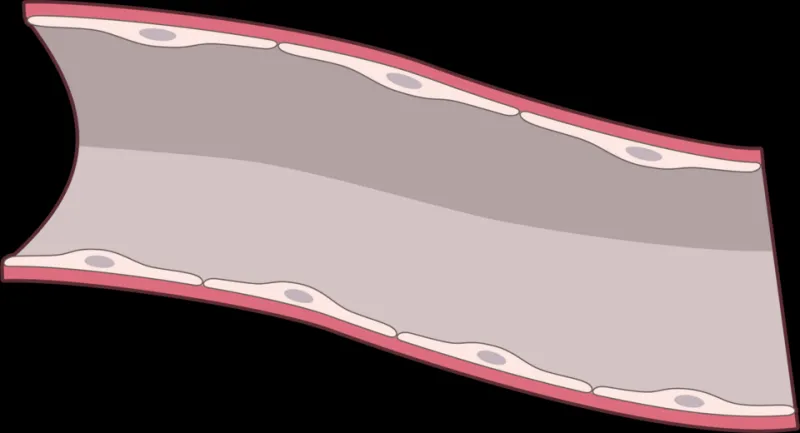
Capillary walls are composed largely of endothelial cells—the same cell type that lines all blood vessels—but in the microvascular bed, these cells are extraordinarily thin and metabolically active. They are also uniquely vulnerable to oxidative stress.
Free radicals generated by chronic inflammation, environmental toxins, excessive ultraviolet exposure, and metabolic dysregulation attack the structural integrity of endothelial cells lining capillary walls. Over time, this leads to increased permeability (allowing substances to leak where they should not), reduced responsiveness to vasodilatory signals, and eventual dropout of capillary segments from the functional network.
Glycation—the chemical bonding of sugar molecules to proteins and fats—compounds this damage significantly. Elevated blood glucose, even within ranges not typically classified as diabetic, accelerates the cross-linking of structural proteins in capillary basement membranes, making them thicker, stiffer, and less permeable to beneficial exchange. This is why metabolic health and microvascular health are inseparable conversations.
Nutritional Strategies That Restore Capillary Resilience
The encouraging finding from contemporary vascular biology is that capillary health is not simply a matter of irreversible decline. Specific nutritional compounds have demonstrated meaningful capacity to support microvascular function and even stimulate angiogenesis—the formation of new capillary networks.
Flavonoids and polyphenols represent perhaps the most well-studied class of microvascular-supportive compounds. Quercetin, rutin, and the anthocyanins found in dark berries have been shown to reduce capillary permeability, reinforce endothelial tight junctions, and attenuate inflammatory signaling within vessel walls. Consuming a diet rich in deeply colored fruits and vegetables provides a broad spectrum of these compounds, though the concentrations achievable through whole foods alone may not always be sufficient for individuals with established microvascular compromise.
Vitamin C plays a structural role that is frequently underestimated. Beyond its antioxidant function, ascorbic acid is an essential cofactor in collagen synthesis—and collagen is a primary component of capillary basement membranes. Chronic subclinical vitamin C insufficiency, which is more common in the US population than official statistics suggest, may quietly undermine capillary structural integrity over years.
Magnesium influences microvascular tone through its role in smooth muscle relaxation and endothelial nitric oxide production. Nitric oxide, the signaling molecule that governs vasodilation, is as critical in capillary beds as it is in larger vessels. Magnesium deficiency—estimated to affect a substantial portion of American adults—may impair the microvascular flexibility required for efficient nutrient exchange.
Omega-3 fatty acids, particularly EPA and DHA, reduce the inflammatory cytokine activity that drives capillary endothelial dysfunction. Their membrane-incorporating effects also improve the deformability of red blood cells, allowing them to navigate narrow capillary passages more effectively.
Lifestyle Interventions With Documented Microvascular Impact
Beyond nutrition, several behavioral factors carry significant implications for capillary health.
Physical activity—even moderate-intensity exercise performed consistently—is among the most potent stimuli for capillary angiogenesis in skeletal muscle. Studies examining previously sedentary individuals who adopted regular aerobic exercise have documented measurable increases in capillary density within weeks. The mechanism involves upregulation of vascular endothelial growth factor (VEGF), a signaling protein that directs the formation of new vessel networks.
Temperature variation, including contrast hydrotherapy practices such as alternating warm and cool water exposure, has demonstrated capacity to train microvascular reactivity. The repeated cycle of vasodilation and constriction appears to condition capillary walls toward greater responsiveness and structural adaptability.
Sleep quality, often underappreciated as a vascular variable, directly affects the nocturnal repair processes that maintain endothelial integrity. Chronic sleep restriction has been associated with elevated inflammatory markers and impaired endothelial function at the microvascular level.
Smoking, conversely, represents one of the most destructive forces acting on capillary health—a fact well established in the literature but worth restating in this context. The vasoconstrictive and oxidative effects of tobacco compounds specifically devastate microvascular density and function.
Reclaiming Biological Youth Through the Smallest Vessels
The anti-aging conversation in America has long been dominated by surface-level interventions: topical treatments, surgical procedures, and generic supplement protocols. What the science of microcirculation reveals is that biological youth is, at its foundation, a vascular phenomenon—one that originates not in the large vessels cardiologists monitor, but in the capillary networks that touch every living cell.
To protect and restore microvascular health is to invest in the infrastructure of vitality itself. It is to ensure that the nutrients you consume actually reach the cells that need them, that the oxygen your lungs capture is delivered with efficiency, and that the waste products of metabolism are cleared before they accumulate into dysfunction.
Your smallest blood vessels hold the largest answers. The question is whether you are prepared to pay them the attention they deserve.