What Lives in Your Gut Is Quietly Shaping the Health of Every Blood Vessel You Own
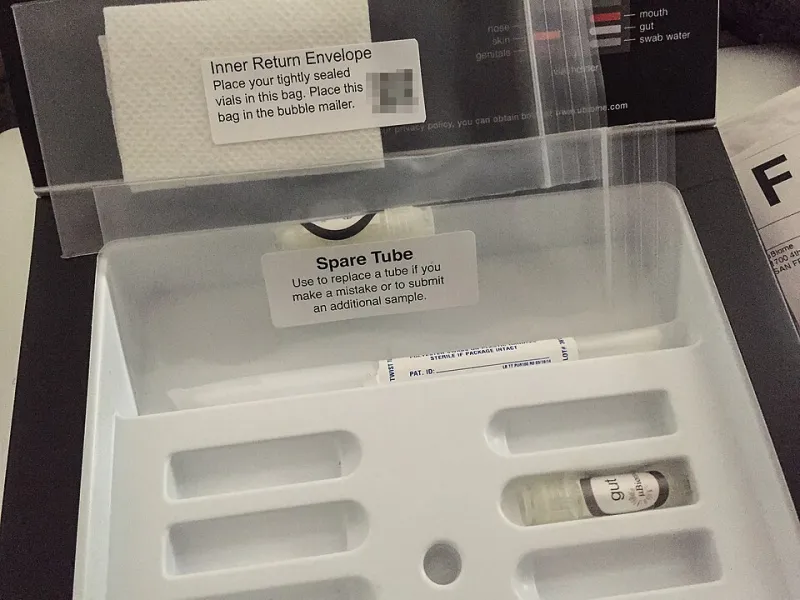
Photo: Tony Webster from San Francisco, California, CC BY 2.0, via Wikimedia Commons
The Gut Is Not Just a Digestive Organ
For decades, the gastrointestinal tract was regarded primarily as a processing facility—a biological pipeline responsible for breaking down food and absorbing nutrients. That narrow view has been thoroughly dismantled by contemporary research. The gut is now understood to be one of the most immunologically active and metabolically influential organs in the human body, with a direct and measurable impact on cardiovascular and circulatory health.
At the center of this expanded understanding is the gut microbiome: a dense, dynamic community of bacteria, fungi, archaea, and viruses numbering in the trillions. These organisms are not passive passengers. They produce metabolites, regulate immune signaling, and communicate with distant tissues—including the endothelial cells that line every blood vessel in your body. When this ecosystem functions in harmony, it contributes to vascular resilience. When it fractures, the consequences travel far beyond the digestive tract.
The Intestinal Barrier: Your Body's Most Critical Checkpoint
Separating the contents of your gut from your bloodstream is a single layer of epithelial cells, reinforced by tight-junction proteins that act as molecular gatekeepers. In a healthy microbiome, certain bacterial populations produce short-chain fatty acids (SCFAs)—particularly butyrate, propionate, and acetate—that nourish these epithelial cells and maintain the structural integrity of this barrier.
When microbial diversity collapses, a condition known as dysbiosis, SCFA production declines. The tight junctions weaken. Gaps form. This is the phenomenon researchers call intestinal hyperpermeability, more commonly referred to as leaky gut—a term that has unfortunately attracted skepticism in clinical circles despite growing mechanistic evidence supporting its vascular consequences.
Through these compromised junctions, bacterial fragments called lipopolysaccharides (LPS)—components of the outer membrane of certain gram-negative bacteria—pass into systemic circulation. Once in the bloodstream, LPS binds to toll-like receptors on immune cells and endothelial tissue, triggering a low-grade inflammatory response that, over time, erodes vascular function, promotes arterial stiffness, and impairs the production of nitric oxide, the molecule responsible for maintaining healthy vessel tone.
Why Your Probiotic May Not Be Doing Enough
The American supplement market is saturated with probiotic products, most of them featuring well-known genera such as Lactobacillus and Bifidobacterium. While these organisms are not without benefit, they represent only a narrow slice of the microbial complexity required to sustain genuine gut-blood axis health. Purchasing a product with ten billion CFUs of a single strain and expecting circulatory improvement is a bit like hiring one contractor to renovate an entire city block.
The microbial populations most directly linked to endothelial support are often the ones least represented in commercial formulations. Akkermansia muciniphila, for instance, is a mucus-layer-dwelling bacterium that has demonstrated a remarkable ability to reinforce intestinal barrier integrity and reduce circulating LPS levels. Clinical research has associated higher Akkermansia abundance with improved markers of metabolic and vascular health. Yet it remains absent from the vast majority of probiotic supplements available in American pharmacies and grocery stores.
Similarly, Faecalibacterium prausnitzii—one of the most abundant bacteria in a healthy human colon—is a prolific butyrate producer whose populations are consistently depleted in individuals with inflammatory and cardiovascular conditions. Restoring this organism requires not simply introducing it from the outside, but cultivating the dietary conditions in which it naturally thrives.
Feeding the Right Populations: Dietary Strategy Over Supplementation
The most effective interventions for the gut-blood axis are not found in capsule form—they are found on the plate. The composition of your microbiome is profoundly shaped by what you eat, and the organisms most beneficial to vascular health respond best to specific dietary inputs.
Fermentable dietary fiber—found in foods such as Jerusalem artichokes, chicory root, garlic, onions, green bananas, and cooked-then-cooled potatoes—serves as the primary fuel source for SCFA-producing bacteria. A 2022 study published in Cell Host & Microbe demonstrated that diets high in fermentable fiber measurably increased microbial diversity and reduced circulating inflammatory markers in human subjects within weeks. These are not abstract findings—they translate directly to improved endothelial function and reduced vascular oxidative stress.
Polyphenol-rich foods present another compelling avenue. Compounds found in dark berries, pomegranate, green tea, and extra-virgin olive oil are not fully absorbed in the small intestine. Instead, they travel to the colon, where gut bacteria metabolize them into bioavailable compounds—including urolithins and equol—that have demonstrated anti-inflammatory and vasodilatory properties in peer-reviewed research. The microbiome, in this context, functions as a transformation engine, converting dietary inputs into circulatory medicine.
The Lifestyle Variables That Dysbiosis Thrives On
Diet is not the only driver of microbial imbalance. Several lifestyle factors prevalent in contemporary American life create conditions in which pathogenic organisms outcompete beneficial ones.
Chronic sleep deprivation has been shown to alter the circadian rhythm of gut bacteria, reducing populations of butyrate producers and increasing intestinal permeability within days. Antibiotic use—even a single course—can decimate microbial diversity in ways that persist for months or years without deliberate dietary rehabilitation. Chronic psychological stress elevates cortisol, which directly alters gut motility, secretory IgA levels, and the mucosal environment that beneficial bacteria depend on for survival.
Physical activity, by contrast, exerts a measurable positive influence on microbial diversity. Research from the University of Illinois found that previously sedentary individuals who engaged in six weeks of aerobic exercise demonstrated significant increases in SCFA-producing bacteria, independent of dietary changes. The mechanism appears to involve exercise-induced improvements in gut transit time and immune modulation—both of which favor the organisms most protective of the intestinal barrier.
Rethinking Circulatory Health From the Inside Out
The conventional approach to blood vessel health focuses almost exclusively on the vasculature itself—cholesterol levels, blood pressure readings, arterial imaging. These are meaningful data points, but they represent the downstream consequences of upstream biological processes that often originate in the gut.
For individuals seeking to genuinely protect and restore circulatory vitality, the microbiome represents an underutilized lever. Rebuilding microbial diversity through strategic dietary choices, reducing dysbiosis-promoting lifestyle patterns, and understanding the limitations of single-strain supplementation are not peripheral concerns—they are foundational to any serious approach to blood health.
The vessels that carry oxygen and nutrients to every cell in your body are not isolated structures. They are the endpoints of a biological conversation that begins, in no small part, in the depths of your digestive tract. Attending to that conversation with the same rigor applied to traditional cardiovascular metrics may be the most important shift in perspective that circulatory health science has to offer.